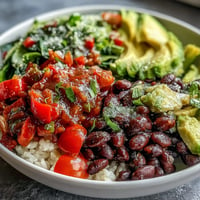
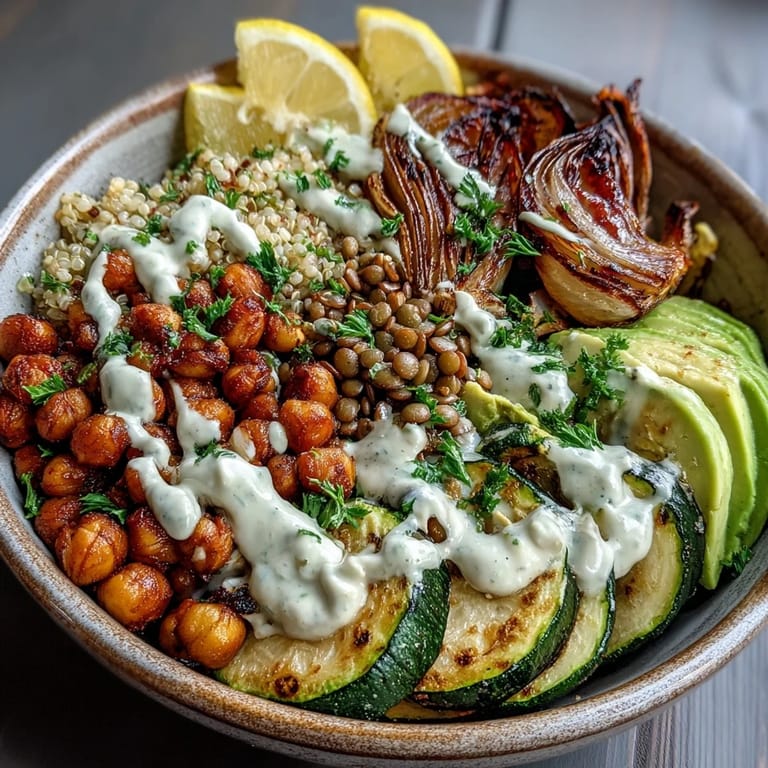
 Save
Save There's something almost meditative about building a bowl from scratch, layering colors and textures until it looks like edible abstract art. I discovered this approach to cooking during a particularly hectic week when I needed meals that felt substantial yet required minimal fuss. What started as me throwing together leftover roasted vegetables and a can of chickpeas became this ritual I now return to whenever I want to feel nourished without overthinking dinner.
I made this for my sister on a Sunday afternoon when she mentioned she'd been eating sad desk lunches all week. Watching her face light up when she tasted how the tahini dressing brought everything together made me realize this bowl isn't just efficient, it's genuinely delicious in a way that feels like care wrapped in a container.
Ingredients
- Quinoa, brown rice, or farro (1 cup): Choose based on what your kitchen needs that week—quinoa cooks fastest if you're impatient like me, but brown rice has this nutty depth that makes bowls taste more intentional.
- Water or vegetable broth (2 cups): Broth adds flavor without effort, but water works perfectly fine and lets the spices shine through more.
- Salt (1/2 tsp): Don't skip this in the cooking liquid, it actually seasons the grains as they absorb moisture.
- Cooked chickpeas and lentils (2 cups total): Canned saves time and tastes just as good, plus they're always there when you need them.
- Red bell pepper, zucchini, red onion, cherry tomatoes, broccoli florets: These are suggestions, not rules—use whatever vegetables need rescuing from your crisper drawer.
- Olive oil (2 tbsp): This is where flavor happens during roasting, don't skimp or substitute with cooking spray.
- Smoked paprika and ground cumin (1 tsp and 1/2 tsp): These spices are what make roasted vegetables taste like they belong together rather than like a sad office party tray.
- Fresh parsley, avocado, toasted pumpkin seeds, lemon wedges: Garnishes aren't decoration here, they add the brightness and texture that transform a bowl from functional to crave-worthy.
- Tahini, lemon juice, garlic, water (for dressing): This dressing is the secret handshake between all the elements, make it smooth and you've made the whole bowl better.
Tired of Takeout? 🥡
Get 10 meals you can make faster than delivery arrives. Seriously.
One email. No spam. Unsubscribe anytime.
Instructions
- Get your oven ready:
- Preheat to 425°F while you handle the other components, so everything's ready when you need it.
- Start the grains:
- Bring water or broth to a boil with salt, add your chosen grain, then drop the heat low and cover—the steam does the work, you just set a timer. Different grains need different times, so actually read the package instead of guessing like I did the first time.
- Prep and dress your vegetables:
- Chop everything roughly the same size so it roasts evenly, toss with olive oil and those spices until everything's coated. Spread on a baking sheet in one layer, leaving space between pieces so they caramelize instead of steam.
- Roast until golden:
- About 20 to 25 minutes, stirring halfway through—you want some char on the edges, that's where the flavor lives. The kitchen smells incredible when they're done.
- Warm your legumes (optional but recommended):
- A quick toast in a pan with a bit of oil, salt, and pepper makes canned beans taste like you planned them all morning instead of grabbing them from the pantry.
- Make the dressing:
- Whisk tahini with lemon juice and water until it's the consistency of pouring cream, adjust with more water a teaspoon at a time. The garlic should be minced tiny so it doesn't overwhelm, and taste as you go because lemon can be aggressive.
- Assemble with intention:
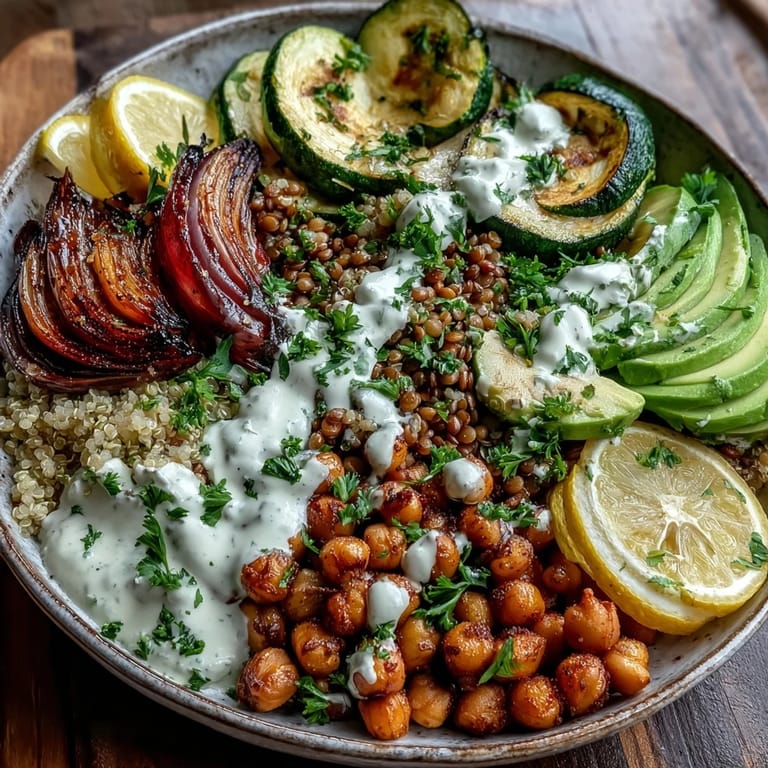
- Grain first as your base, then vegetables, then legumes scattered on top. Drizzle the tahini dressing so it pools in the gaps and coats everything lightly.
- Finish with garnish:
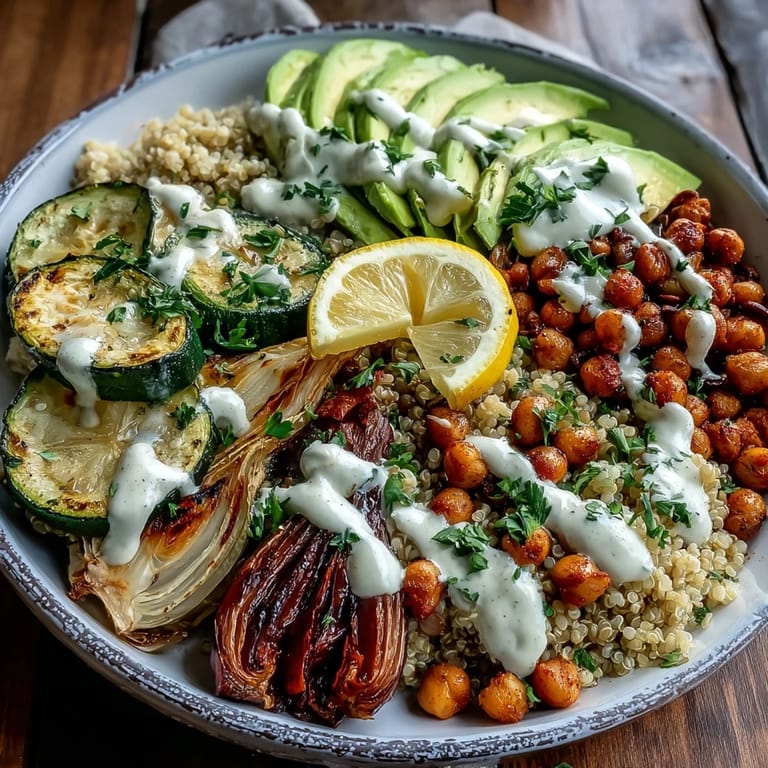
- Parsley adds green freshness, avocado adds richness and creaminess, pumpkin seeds add a satisfying crunch. Lemon wedges on the side let people squeeze brightness exactly where they want it.
 Save
Save I've learned that feeding yourself well doesn't require complicated techniques or exotic ingredients, just intention and letting good ingredients do what they're meant to do. This bowl taught me that sometimes the most nourishing meals are the ones we build ourselves, knowing exactly what went into them.
Making Substitutions Feel Natural
The beauty of this bowl is that it doesn't fall apart when you change things up. Swap the grains based on what's in your pantry or what you're craving—barley has this chewy texture that's satisfying, couscous gets fluffy and light, farro feels more substantial. Seasonal vegetables are your best friends here, sweet potato in fall brings warmth, cauliflower in winter roasts into something almost caramelized. I've made this bowl at least forty times and probably only twice with the exact same vegetables.
Building Flavors That Actually Work Together
There's a reason I included smoked paprika and cumin specifically—they create this almost savory background that makes every vegetable taste like it belongs in the same bowl. The tahini dressing pulls everything together with its earthy creaminess, and the lemon juice prevents it from feeling heavy. Fresh parsley isn't just garnish, it's your palate cleanser between bites, and the avocado adds richness that makes the whole thing feel luxurious instead of virtuous.
Meal Prep and Storage Wisdom
This bowl travels beautifully, which means it's one of those rare dishes that tastes almost better the next day after all the flavors have gotten to know each other. Pack the dressing separately so the grains don't turn mushy, and add the avocado and fresh parsley right before eating so they stay bright and fresh. The whole thing stays good for three days in the fridge, and honestly knowing you have lunch already handled is half the appeal.
- Keep the tahini dressing in a separate container so you can control how much moisture touches the grains.
- Add avocado only when you're ready to eat, since it browns quickly and loses its appeal.
- Toast your pumpkin seeds fresh if possible, they make an enormous difference in texture and taste.
 Save
Save This bowl is proof that wholesome eating doesn't require deprivation or complicated cooking. Build it once and you'll understand why it becomes a kitchen staple.
Recipe FAQs
- → What grains work best for this bowl?
Quinoa, brown rice, and farro are excellent choices. Quinoa cooks fastest (15 minutes), while brown rice takes longer (40 minutes). For gluten-free options, stick with quinoa or certified gluten-free grains.
- → Can I use different vegetables?
Absolutely. Sweet potatoes, cauliflower, carrots, Brussels sprouts, or eggplant all roast beautifully. Use what's in season or what you have available for a flexible, budget-friendly meal.
- → How do I store leftovers?
Store components separately in airtight containers for up to 4 days. Keep the dressing separate and add fresh garnishes when serving. Reheat grains and vegetables gently, or enjoy cold.
- → What can I substitute for tahini?
If you have a sesame allergy, try Greek yogurt for creaminess, or make a vinaigrette with olive oil and lemon. Cashew or almond butter also work as nutty alternatives to tahini.
- → Is this bowl protein-rich enough for a main dish?
Yes. The combination of chickpeas, lentils, and grains provides about 16g of protein per serving. Adding avocado, nuts, or seeds like the pumpkin seeds in the recipe boosts both protein and healthy fats.
- → Can I make this oil-free?
You can roast vegetables with a small amount of vegetable broth instead of olive oil, though they may be less crispy. For the dressing, thin tahini with extra lemon juice and water instead of oil.