 Save
Save There was a Tuesday evening when I stood in front of my fridge, staring at four chicken breasts and wondering how to make them taste like something worth remembering. I had overcooked chicken so many times that my family had started joking about needing steak knives for poultry. That night, I decided to stop guessing and start paying attention to temperature, timing, and the simple power of a good spice rub. What came out of the oven that evening changed everything.
I made this for a friend who was recovering from surgery and needed easy, protein-packed meals she could reheat throughout the week. She told me later that it was the first thing that actually tasted like food and not obligation. That comment stuck with me because it reminded me that good cooking does not have to be fancy, it just has to be done with a little care and intention.
Ingredients
- 4 boneless, skinless chicken breasts (6 to 8 oz each): Look for breasts that are similar in size so they cook evenly, and do not skip the step of pounding them flat because that is what keeps them juicy.
- 2 tablespoons olive oil: This helps the seasoning stick and creates a light, flavorful crust on the surface of the chicken without any breading.
- 1 teaspoon garlic powder: I prefer granulated garlic powder over garlic salt because it gives you more control over the saltiness of the final dish.
- 1 teaspoon onion powder: Adds a subtle sweetness and depth that balances the sharper notes of garlic and paprika.
- 1 teaspoon paprika (smoked or sweet): Smoked paprika gives a gentle, earthy warmth, while sweet paprika keeps things mild and slightly fruity.
- 1 teaspoon dried oregano or Italian seasoning: Italian seasoning works if you want a more herbaceous flavor, but plain oregano keeps it simple and clean.
- ½ teaspoon salt: Do not be shy with salt, it is what makes all the other flavors come alive.
- ¼ teaspoon black pepper: Freshly cracked pepper tastes sharper and more vibrant than pre-ground, but either works fine.
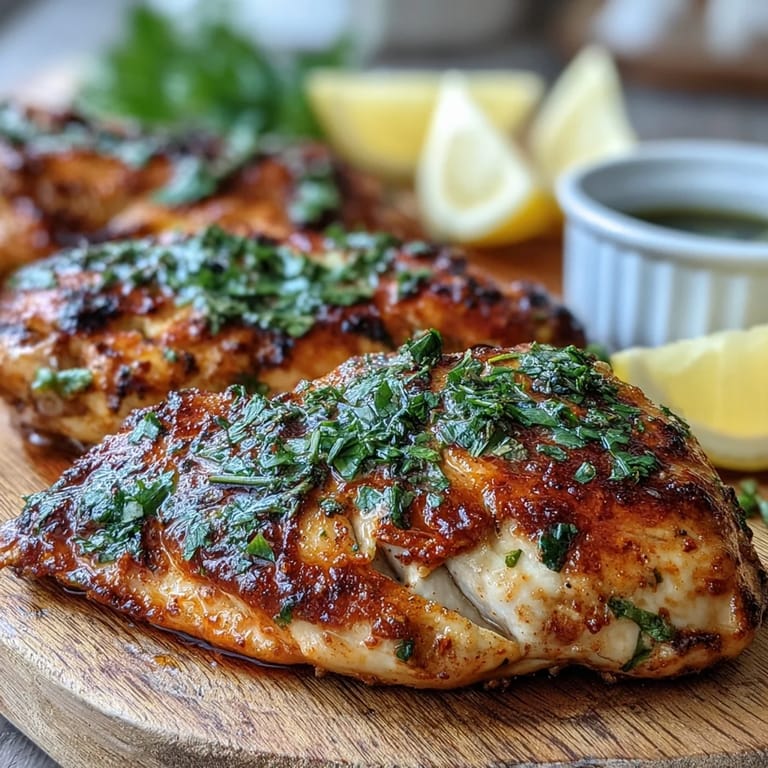
- Lemon slices (optional): A squeeze of fresh lemon right before serving brightens everything up and cuts through the richness of the oil.
- Chopped fresh parsley or cilantro (optional): A handful of fresh herbs makes the dish look and taste more finished, even if you are just feeding yourself.
Tired of Takeout? 🥡
Get 10 meals you can make faster than delivery arrives. Seriously.
One email. No spam. Unsubscribe anytime.
Instructions
- Preheat and Prep Your Pan:
- Set your oven to 400 degrees Fahrenheit and line a baking sheet with parchment paper or lightly grease a baking dish. This keeps cleanup easy and prevents sticking.
- Even Out the Chicken:
- Pat the chicken breasts completely dry with paper towels, then place them between two sheets of parchment paper or plastic wrap and gently pound them to about three-quarters of an inch thick using a meat mallet or rolling pin. This step is not optional if you want tender, evenly cooked meat.
- Mix the Seasoning:
- In a small bowl, combine the olive oil, garlic powder, onion powder, paprika, oregano, salt, and pepper until it forms a loose paste. It should smell warm and inviting.
- Coat the Chicken:
- Rub the seasoning mixture all over both sides of each chicken breast, making sure to cover every inch. If you have time, let the chicken sit at room temperature for 10 minutes so the flavors can settle in.
- Arrange and Bake:
- Place the seasoned chicken breasts in a single layer on your prepared baking sheet, leaving a little space between each piece so the heat circulates evenly. Bake for 18 to 22 minutes, checking the internal temperature with an instant-read thermometer until it reads 165 degrees Fahrenheit in the thickest part.
- Rest Before Slicing:
- Remove the chicken from the oven and let it rest on the baking sheet for five minutes before slicing. This allows the juices to redistribute so every bite stays moist.
- Garnish and Serve:
- Top with lemon slices and a sprinkle of fresh parsley or cilantro if you like. Serve warm alongside roasted vegetables, grains, or a crisp green salad.
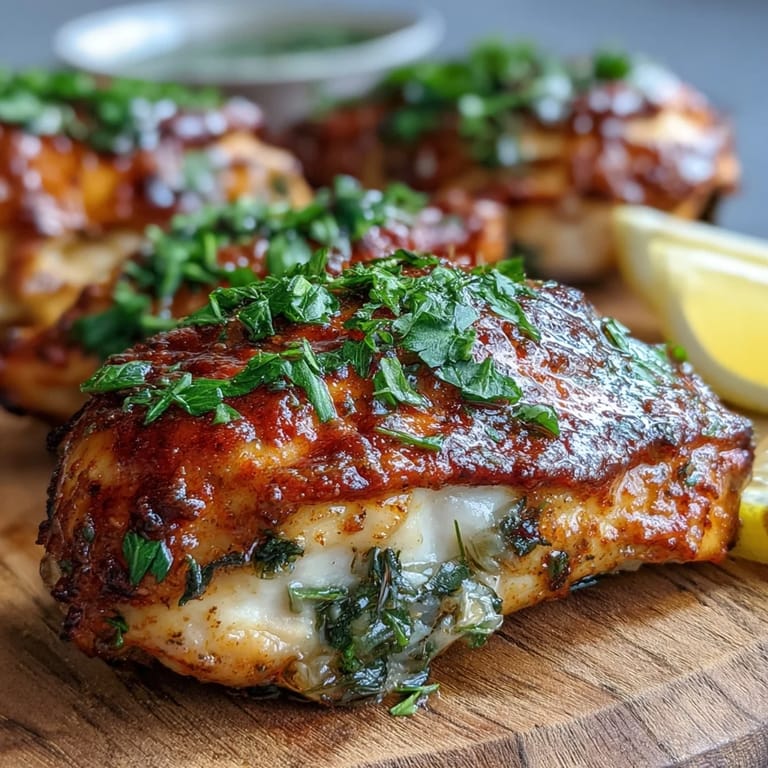 Save
Save One Sunday afternoon, I made a double batch of this chicken and sliced it up for the week ahead. My husband grabbed a piece straight from the fridge on Wednesday morning and told me it tasted better cold than most dinners taste hot. That is when I realized this recipe was not just easy, it was actually dependable in a way that made life feel a little more manageable.
How to Know When It Is Done
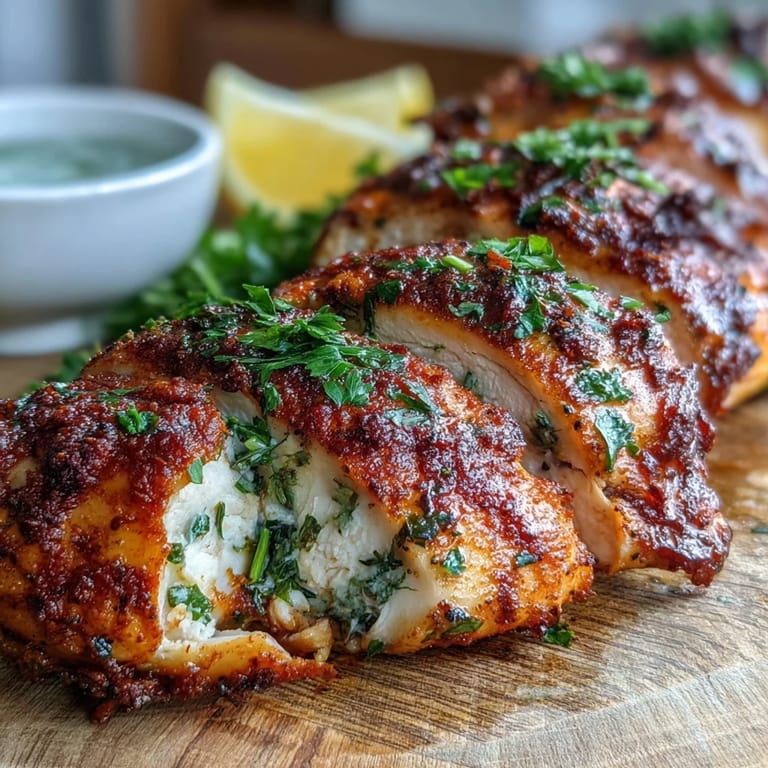
The only way to be sure your chicken is cooked through without being overdone is to use an instant-read thermometer inserted into the thickest part of the breast. Once it hits 165 degrees Fahrenheit, pull it out immediately because carryover cooking will bring it up a few more degrees as it rests. If you wait until it looks done by sight alone, you have probably already overcooked it.
What to Do with Leftovers
Leftover baked chicken is incredibly versatile and keeps well in the fridge for up to four days in an airtight container. I slice it thin for sandwiches, cube it for grain bowls, or shred it into soups and pasta dishes. You can also freeze cooked chicken for up to three months, just let it cool completely before wrapping it tightly in plastic wrap and then foil.
Flavor Variations to Try
Once you have the basic method down, you can change up the seasoning blend to match whatever you are craving. Swap the paprika and oregano for cumin and chili powder if you want a Tex-Mex vibe, or use curry powder and a pinch of turmeric for something warmer and more aromatic. I have also brushed the chicken with a little balsamic glaze halfway through baking, and it turned out sweet, tangy, and deeply caramelized.
- For a lemon herb version, add lemon zest and fresh thyme to the seasoning mix.
- If you want it spicy, toss in cayenne pepper or red pepper flakes along with the paprika.
- Try finishing it with a drizzle of tahini or a spoonful of pesto right before serving for extra richness.
 Save
Save This recipe taught me that simplicity and consistency matter more than complexity when it comes to weeknight cooking. Once you nail the basics, everything else becomes easier.
Recipe FAQs
- → How do I keep chicken breasts from drying out?
Pounding the chicken to even thickness ensures uniform cooking. Letting it rest for 5 minutes after baking helps redistribute juices, and using olive oil in the seasoning creates a protective barrier that locks in moisture.
- → What temperature should chicken breasts be cooked to?
Chicken breasts should reach an internal temperature of 165°F (74°C) when measured with an instant-read thermometer inserted into the thickest part. This ensures safe, fully cooked meat while maintaining juiciness.
- → Can I use chicken thighs instead?
Absolutely. Chicken thighs are naturally juicier and more forgiving. Use boneless, skinless thighs and increase baking time by 5–7 minutes. The seasoning works beautifully with thighs and adds rich flavor.
- → How long does this keep for meal prep?
Store cooled chicken in airtight containers in the refrigerator for up to 4 days. The flavors actually develop overnight, making it excellent for meal prep. Reheat gently in the microwave or enjoy cold in salads and wraps.
- → What sides go well with baked chicken breast?
Roasted vegetables like broccoli, carrots, or sweet potatoes complement the savory flavors. For lighter meals, serve over mixed greens with vinaigrette, or pair with rice, quinoa, and steamed asparagus for a complete dinner.
- → Can I freeze the cooked chicken?
Yes, freeze cooked chicken breasts for up to 3 months. Wrap individually in plastic wrap, then place in freezer bags. Thaw overnight in the refrigerator before reheating. The texture remains excellent after freezing.