 Save
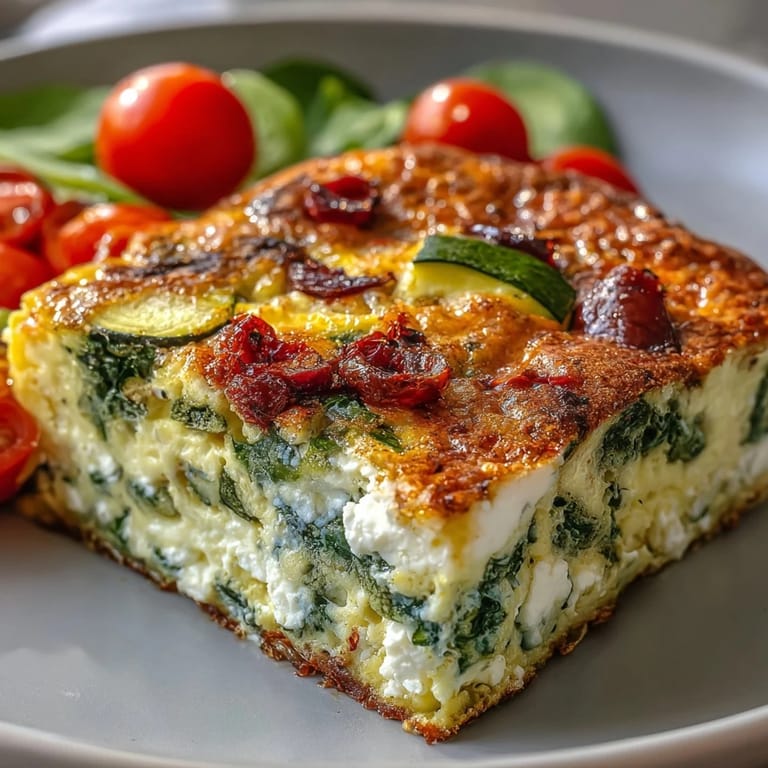
Save My mornings shifted the week I discovered sheet pan eggs, honestly by accident. I'd overslept before a busy Saturday and needed something I could make once and eat all week, so I dumped eggs, cottage cheese, and whatever vegetables hadn't wilted in my crisper drawer onto a baking sheet. Twenty-five minutes later, I pulled out these perfectly fluffy, protein-packed squares that tasted nothing like a compromise—they tasted intentional, almost elegant. Now this is my Sunday ritual, and I've learned that the secret isn't any fancy technique, just respecting that cottage cheese becomes something magical when it meets heat.
The first time I made this for a friend's quick breakfast before a hike, she kept asking if I'd added cheese or some secret ingredient because it was so much lighter and fluffier than scrambled eggs. That's when I realized the cottage cheese isn't just protein—it's an emulsifier that creates this tender, cloud-like texture you'd normally need cream or butter to achieve. She started making it every week after that, and honestly, the conversation around her kitchen table shifted because people actually wanted seconds of a healthy breakfast.
Ingredients
- Large eggs (10): The foundation of everything—they puff up beautifully in the oven's dry heat, and the higher quantity compensates for the added moisture from vegetables and cottage cheese.
- Low-fat cottage cheese (1 1/2 cups): This is the secret weapon that keeps the eggs moist and pillowy; don't skip it thinking you can use regular cheese.
- Milk (1/4 cup): Acts as a binder and helps distribute the cottage cheese evenly so you don't get grainy pockets.
- Cherry tomatoes (1 cup, halved): They release their juice slowly while baking, creating little bursts of flavor that don't water down the eggs.
- Baby spinach (1 cup, roughly chopped): Wilts perfectly during cooking and adds both nutrition and a subtle earthiness.
- Red bell pepper (1/2 cup, diced): Stays slightly firm with just enough sweetness to balance the savory elements.
- Zucchini (1/2 cup, diced): Adds volume without overwhelming the other flavors; pat it dry if it's especially watery.
- Red onion (1/4 cup, finely chopped): A small amount gives brightness without the bite being too aggressive.
- Salt, pepper, dried oregano or Italian seasoning: Keep the seasoning restrained here—you can always taste and adjust after baking, but you can't undo over-seasoning.
- Fresh chives or parsley (2 tablespoons): The garnish does genuine work, adding color and a fresh note that makes the whole dish feel intentional.
Tired of Takeout? 🥡
Get 10 meals you can make faster than delivery arrives. Seriously.
One email. No spam. Unsubscribe anytime.
Instructions
- Set your stage:
- Preheat your oven to 375°F and grease your 13x9 inch baking sheet with nonstick spray or line it with parchment paper so cleanup later doesn't become the villain of your day.
- Blend the base:
- In a large bowl, whisk together your eggs, cottage cheese, and milk until it looks smooth and slightly frothy—this is where the magic happens, and you'll see the cottage cheese starting to incorporate into the eggs. Don't stress about lumps; they'll work out as they bake.
- Season and build:
- Stir in salt, pepper, and your herbs, tasting the raw egg mixture if you're comfortable with it to gauge the seasoning level. Then gently fold in all your vegetables, being careful not to bruise the tomatoes.
- Spread and settle:
- Pour the whole mixture onto your prepared sheet and give the pan a gentle tap on the counter a couple of times to help distribute the vegetables evenly and release any air pockets. It should spread into a fairly even layer, though some variation is fine.
- Bake until just set:
- Slide it into your oven for 22 to 25 minutes—you're looking for the center to be set but still slightly tender, and the edges should show a light golden color. The eggs will continue cooking slightly as they cool, so don't overbake or you'll end up with something rubbery.
- Rest and finish:
- Let it cool for about 5 minutes out of the oven, then slice into squares using a sharp knife or bench scraper. Scatter your fresh herbs over the top and serve warm, or let it cool completely and refrigerate for grab-and-go breakfasts.
 Save
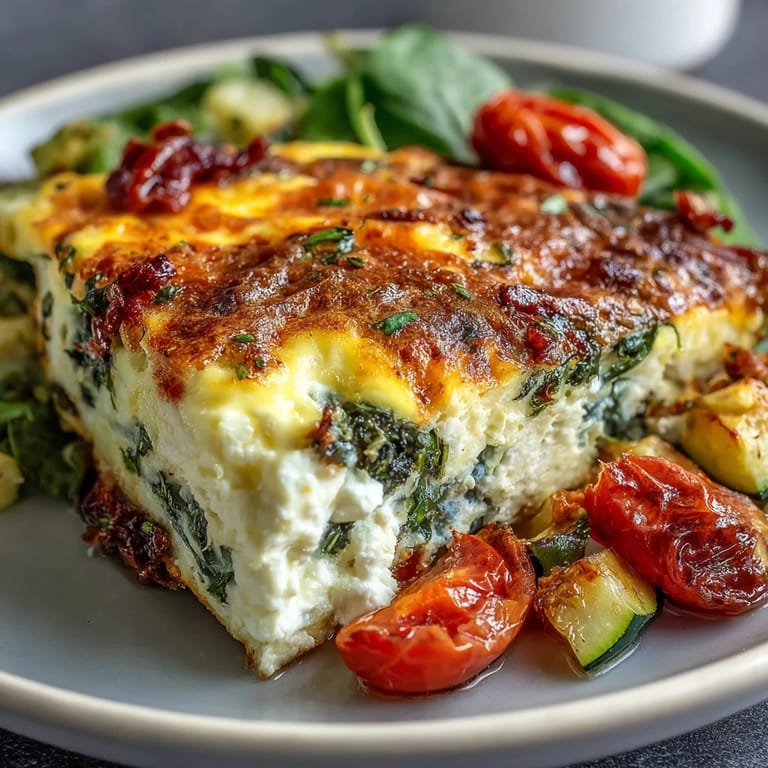
Save What surprised me most was how this dish became a conversation starter at my partner's family breakfast—his mother, who's pretty traditional about breakfast, asked for my recipe and actually wrote it down. There's something about having an entire week of ready-made, protein-rich, genuinely delicious breakfasts waiting in your fridge that changes your whole mood before Monday starts. Suddenly you're not skipping breakfast or grabbing something processed on your way out.
Customizing Your Sheet Pan
The beauty of this recipe is that it's more of a framework than a rigid formula. I've made versions with mushrooms instead of zucchini on weeks when that's what was in my produce drawer, and I've added sun-dried tomatoes when I was feeling a bit more indulgent. The vegetable quantities don't have to be exact—what matters is that you're keeping your total vegetable volume around 3 to 4 cups so they cook through at the same rate as the eggs. I once got ambitious and added broccoli florets, which worked beautifully, though they benefit from being chopped smaller than you might think so they soften properly in 25 minutes.
Storage and Reheating Wisdom
These squares keep for up to 4 days in an airtight container, which is genuinely generous for an egg dish. I've learned to slice them before storing so I'm not tempted to grab the whole thing in a rushed moment. Reheating in the microwave for 60 to 90 seconds keeps them tender—longer than that and they start to get a bit rubbery around the edges, so it's worth setting a timer. I've also had success peeling a square off, wrapping it loosely in parchment paper, and warming it gently in a toaster oven if I have more time, which prevents any weird condensation from making the bottom soggy.
Pairing and Serving Ideas
These are absolutely complete on their own, but sometimes I serve them alongside something simple to round out the meal depending on my mood. Whole grain toast with almond butter adds substance if I'm heading into a demanding morning, while fresh fruit like berries or melon feels refreshing if I've made these during warmer months. Avocado slices alongside feel luxurious without being complicated—just a small wedge for the healthy fat that helps absorb the fat-soluble vitamins from all those vegetables.
- A small side of hot sauce or sriracha transforms the whole thing if you're craving something with a kick.
- Fresh lemon juice squeezed over the top right before eating adds brightness that most people don't expect but immediately appreciate.
- If you have leftover cottage cheese, a dollop on the side turns an already protein-rich breakfast into an even more satisfying meal.
 Save
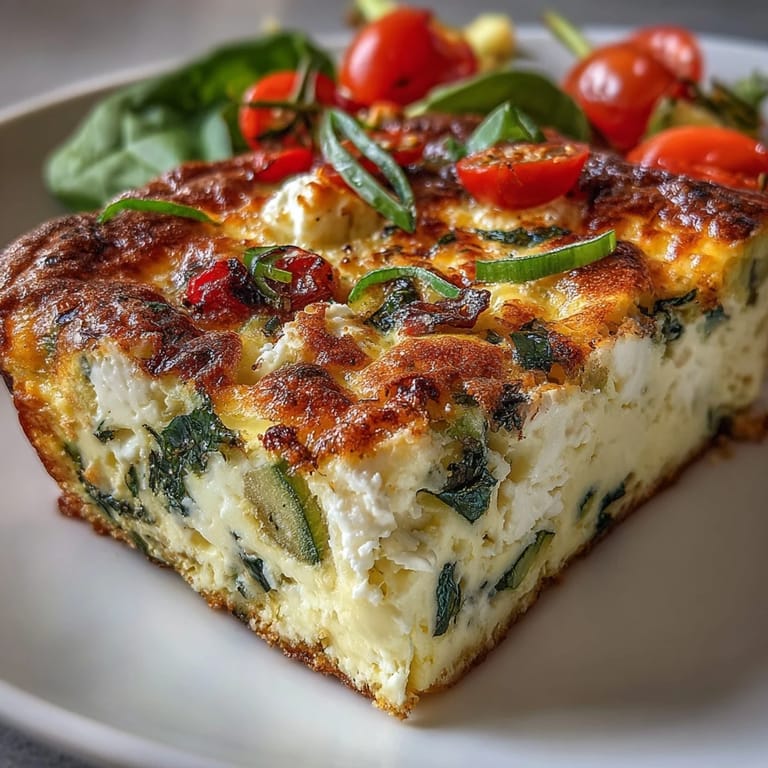
Save Making this sheet pan eggs became my small act of self-care, honestly—a Sunday task that takes barely any effort but sets up the entire week with actual nutrition and comfort. There's real power in showing up for yourself that way, one breakfast square at a time.
Recipe FAQs
- → Can I freeze the baked egg squares?
Yes, these freeze exceptionally well. Wrap individual squares tightly in plastic wrap and place in a freezer-safe container for up to 2 months. Thaw overnight in the refrigerator and reheat gently in the microwave.
- → What vegetables work best in this dish?
Cherry tomatoes, spinach, bell peppers, zucchini, and red onions provide excellent flavor and texture. You can also incorporate mushrooms, broccoli, asparagus, or diced bell peppers depending on seasonal availability and personal preference.
- → Why use cottage cheese instead of regular milk?
Cottage cheese adds significant protein while creating a creamy, fluffy texture when baked. The curds melt into the egg mixture, resulting in a richer mouthfeel and more substantial nutritional profile compared to using milk alone.
- → How do I know when the eggs are fully cooked?
The edges should appear lightly golden while the center feels set but still slightly moist when touched gently. A knife inserted into the middle should come out clean. Avoid overbaking, as the eggs will continue cooking slightly as they rest.
- → Can I prepare this ahead of time?
Absolutely—assemble the mixture the night before and store covered in the refrigerator. Pour onto the baking sheet just before baking, or bake completely and refrigerate for quick breakfasts throughout the week.
- → What size baking sheet works best?
A rimmed 13x9 inch sheet pan creates the ideal thickness for even cooking. The rimmed edges prevent spillage while allowing the eggs to spread evenly. If using a larger pan, reduce baking time slightly to prevent drying.