 Save
Save My kitchen smelled like a Sicilian lemon grove the afternoon I first made this cake—not from memory, but from the moment I zested those lemons and the oils hit the warm butter. A friend had brought back a bottle of Limoncello from Naples, and instead of sipping it neat, I decided it belonged in cake. That decision changed everything about how I think about citrus in baking.
I baked this for my neighbor who'd just moved in, and watching her face light up when she bit into that first slice felt like I'd handed her a key to the neighborhood. She came back three days later asking if I could make it again for her book club, and suddenly this recipe became the thing that made me brave enough to start saying yes to more kitchen invitations.
Ingredients
- Unsalted butter (1 cup, softened): Room temperature butter creams into sugar like silk—cold butter fights you the whole way.
- Granulated sugar (2 cups): This is where the structure and tenderness come from; don't skip it or reduce it without knowing why.
- Large eggs (4, room temperature): Cold eggs seize up when they hit warm butter; let them sit on the counter for 20 minutes while you prep.
- Limoncello liqueur (1/4 cup): This is the soul of the cake—it brings depth and complexity that fresh juice alone never achieves.
- Whole milk (1/4 cup, room temperature): It balances the richness and keeps the crumb from being dense; don't substitute with buttermilk here.
- Freshly grated lemon zest (2 tbsp from about 2 lemons): Microplane it fine so every bite has bright bursts; boxed zest tastes like old cardboard.
- Fresh lemon juice (1/4 cup): Use real lemons, not the bottled stuff—you'll taste the difference in the final bite.
- All-purpose flour (2 1/2 cups): Measure by spooning and leveling, never scooping straight from the bag, or you'll end up with a dense cake.
- Baking powder (1 1/2 tsp): This lift is gentle but essential; make sure yours is fresh and not the clumpy kind that's been in your cabinet for two years.
- Salt (1/2 tsp): It whispers in the background, making the lemon sing louder than it would alone.
- Powdered sugar (1 cup, sifted): Sift it or press it through a fine-mesh strainer before mixing the glaze, or you'll have lumpy streaks.
- Lemon juice for glaze (2–3 tbsp): Start with 2 and add more until you reach the consistency you want—pourable but not thin like water.
- Limoncello for glaze (1 tbsp): This little bit ties the whole cake together in flavor; it's worth the splash.
Tired of Takeout? 🥡
Get 10 meals you can make faster than delivery arrives. Seriously.
One email. No spam. Unsubscribe anytime.
Instructions
- Heat the oven and prepare your pan:
- Set your oven to 350°F and give it time to preheat fully—a cold oven adds 10 minutes to baking time. Grease your loaf or bundt pan generously, then dust with flour, tapping out the excess so the cake releases cleanly.
- Cream the butter and sugar:
- Beat them together for 3 to 4 minutes until the mixture is pale, fluffy, and you can't see any sugar grains anymore. This is where air gets incorporated, which makes the cake light rather than heavy.
- Add the eggs one at a time:
- After each egg goes in, beat for about 30 seconds before adding the next one; this keeps the batter emulsified instead of looking broken and curdled. If it does look split, don't panic—it usually comes together once the dry ingredients go in.
- Mix in the lemon and Limoncello:
- Stir in the zest, Limoncello, lemon juice, and milk until everything is evenly distributed and you see tiny flecks of zest throughout. The mixture might look slightly curdled at this point—this is totally normal.
- Combine the dry ingredients separately:
- Whisk the flour, baking powder, and salt together in another bowl so the leavening distributes evenly throughout the dry mix. This takes 30 seconds and makes an enormous difference in how the cake rises.
- Fold it all together:
- Add the dry ingredients to the wet in three additions, stirring gently until each addition just disappears before adding the next. Overmixing develops gluten and makes the cake tough, so stop as soon as you don't see streaks of flour anymore.
- Pour and bake:
- Spread the batter into your prepared pan and smooth the top with a spatula so it bakes evenly. Bake for 50 to 55 minutes—a toothpick inserted in the center should come out clean or with just a few moist crumbs clinging to it.
- Cool with patience:
- Let the cake rest in the pan for 15 minutes (this helps it release without breaking), then turn it out onto a wire rack to cool completely. Glazing a warm cake causes the glaze to melt and slide off, so really do wait until it's room temperature.
- Make and apply the glaze:
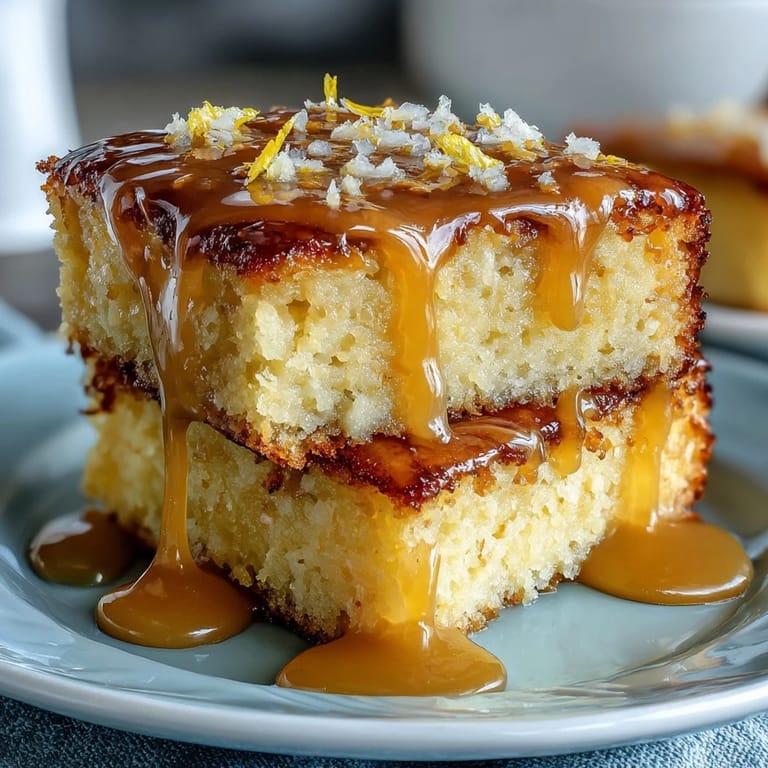
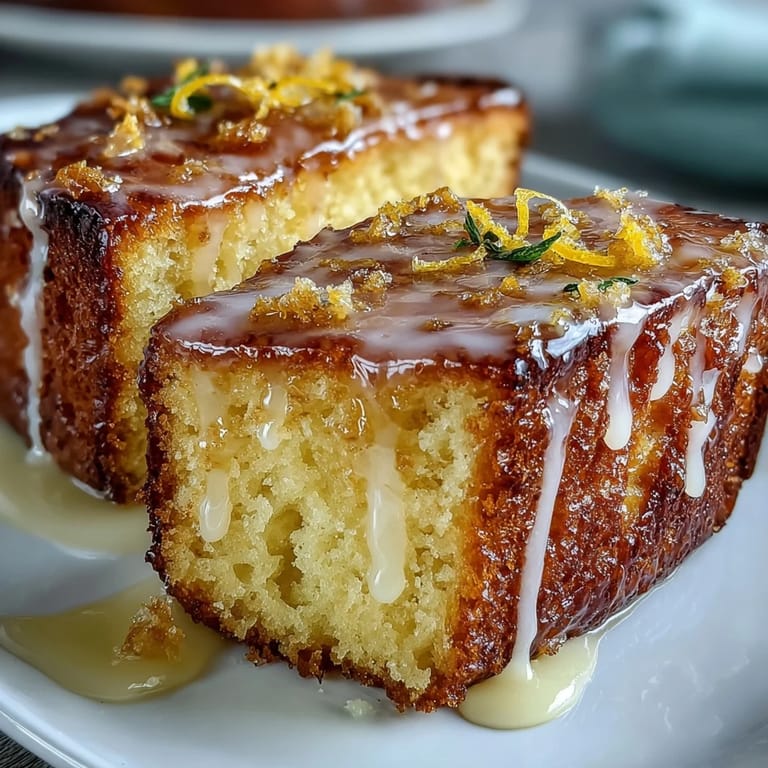
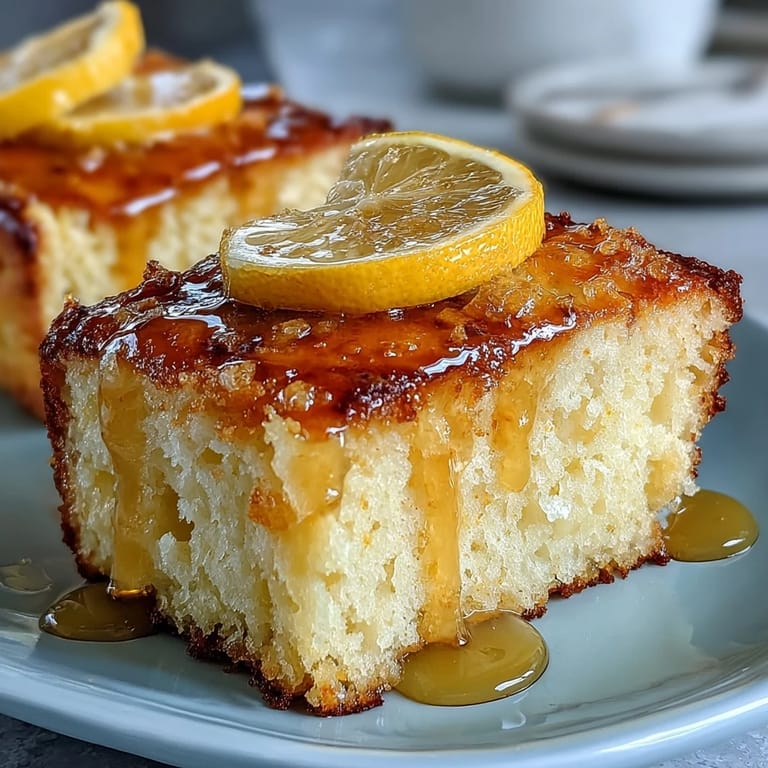
- Whisk the powdered sugar, lemon juice, and Limoncello together until smooth and pourable—thick like cream, not thin like milk. Drizzle it over the cake in a thin, steady stream, letting some run down the sides, and scatter extra zest on top if you want a finishing flourish.
- Let it set:
- Give the glaze 30 minutes to firm up before you slice, or it will smudge across your knife and look less polished than it tastes.
 Save
Save There's a quiet magic in serving something homemade to someone you care about, and this cake seems to unlock conversations and laughter in a way store-bought never does. I've learned that feeding people is sometimes the bravest thing we can do.
Why This Cake Stays Light
The secret to keeping a pound cake tender instead of dense comes down to how you combine ingredients. Creaming the butter and sugar until it's pale adds air, and folding in the flour gently preserves those air pockets rather than flattening them. Most people either undermix the wet ingredients or overmix the dry, and this cake punishes both extremes.
The Limoncello Difference
You might wonder if Limoncello is really necessary or if you can just use more lemon juice—and technically you can, but the liqueur brings something juice never will. It's an extract of lemon peel infused with sugar and alcohol, so it has concentrated oils and depth that fresh juice alone can't match. The alcohol bakes off, leaving behind a complexity that makes people ask what your secret ingredient is.
Serving and Storage Ideas
This cake is best the day after you make it, when the flavors have settled and the crumb has set—honestly, it tastes even better on day two. Wrapped well at room temperature, it keeps for 3 days, and you can freeze it unwrapped, then wrapped in plastic, for up to a month, though the glaze will weep slightly as it thaws.
- Pair it with fresh strawberries or raspberries to let the berries and lemon play off each other.
- A dollop of whipped cream tanged with a splash of lemon juice turns an afternoon slice into something almost luxurious.
- Serve with tea or espresso, which both bring out the brightness of the citrus without competing with it.
 Save
Save This is the kind of cake that reminds you why baking matters—it's simple, but every ingredient has a job, and when they all work together, something beautiful happens. Make it, share it, and watch how something homemade can turn an ordinary day into something worth remembering.
Recipe FAQs
- → What gives this cake its moist texture?
The combination of creamed butter, eggs, milk, and Limoncello liqueur contributes to the cake's moist and tender crumb.
- → Can I substitute Limoncello with something else?
Yes, you can replace Limoncello with extra lemon juice for an alcohol-free version, though the flavor will be less complex.
- → How is the lemon glaze prepared?
The glaze blends powdered sugar with fresh lemon juice and a touch of Limoncello, whisked until smooth and drizzled over the cooled cake.
- → What pan sizes work best for baking?
A 9x5-inch loaf pan or a bundt pan works well to ensure even baking and the ideal loaf shape.
- → Any tips for a lighter texture?
Substituting half the all-purpose flour with cake flour can make the cake lighter and softer.