 Save
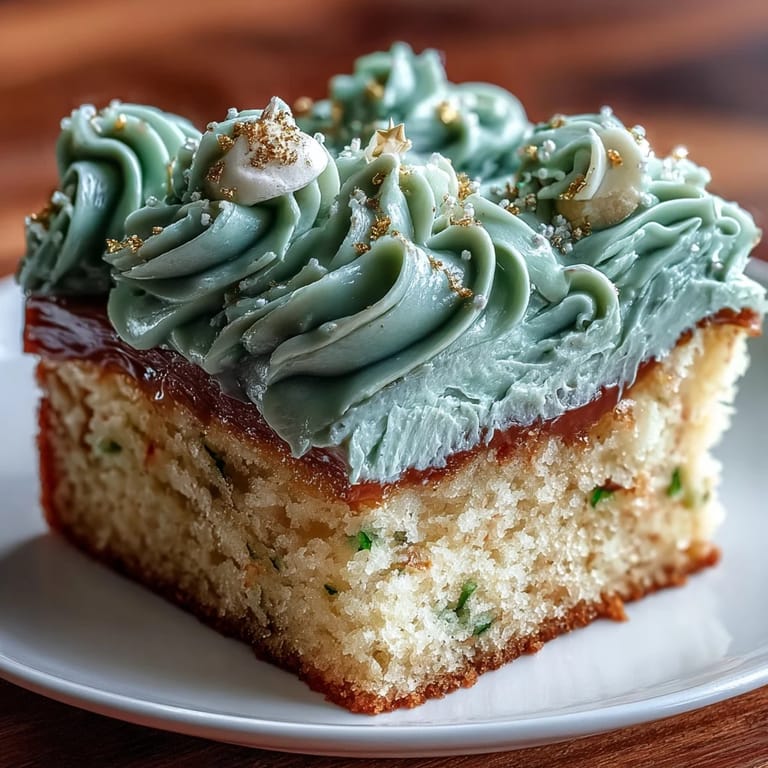
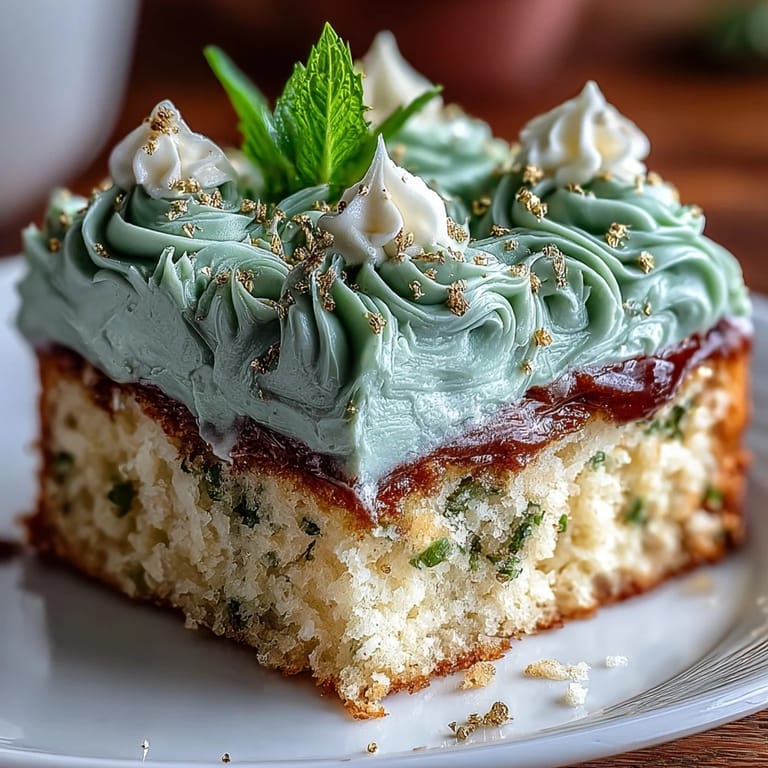
Save The aroma of vanilla mingled with the sweet scent of buttercream as I hurried around the kitchen, the late afternoon light catching little flecks of gold scattered across my countertop. There was a buzz of excitement knowing a cake, dressed in sage green and shimmering with gilded accents, could take center stage at a graduation celebration. It was the first time I attempted edible gold details, and the anticipation of unveiling something a bit fancier than usual filled me with giddy nerves. Sometimes, the best part of baking is getting a bit playful with colors and textures you only see in bakeries or on TV. As the cake cooled, I snuck a taste of extra buttercream—pure bliss.
I still laugh when I remember my nephew grabbing the first corner slice—frosting-heavy, of course—at his graduation party. Moments later, a chorus of camera clicks followed while my sister tried to coral everyone for photos, but no one could resist another forkful of that tender vanilla cake. The decoration inspired a friendly debate about who had the steadiest hand with the piping bag. It turned out to be the best kind of centerpiece: eaten down to the last crumb, with just a few shimmery gold smudges left behind. Somehow, sage green and gold became our family&s unofficial graduation palette.
Ingredients
- All-purpose flour: Creates the cake&s structure; measuring it carefully keeps things light and airy.
- Baking powder: This is your secret to a tall, fluffy crumb—double-check it&s fresh.
- Salt: Just a pinch balances the sweetness and brightens the vanilla.
- Unsalted butter: Room temperature makes creaming smooth, and the flavor can&t be beat.
- Granulated sugar: Adds sweetness and that golden, tender edge—beat it well with the butter for best results.
- Large eggs: Give lift and richness; let them come to room temperature for easy blending.
- Pure vanilla extract: A full tablespoon infuses the cake and buttercream with warmth and depth.
- Whole milk: Moistens the batter and keeps the cake luscious; room temperature prevents curdling.
- Powdered sugar: Sifted for silky-smooth buttercream—no graininess here.
- Heavy cream or milk: Just a splash helps achieve spreadable, swoopy frosting.
- Sage green gel food coloring: The trick for sophisticated, non-streaky color—add sparingly!
- Gold edible luster dust: Transforms a humble cake into a celebration centerpiece.
- Clear vanilla extract or vodka: Mixes with luster dust for bold gold paint; a little goes a long way.
Tired of Takeout? 🥡
Get 10 meals you can make faster than delivery arrives. Seriously.
One email. No spam. Unsubscribe anytime.
Instructions
- Prepare Your Pan:
- Preheat your oven to 350°F (175°C) and line a 12×18 inch sheet cake pan with parchment, letting the paper hang over two sides for easy lifting.
- Combine Dry Ingredients:
- In a medium bowl, whisk together flour, baking powder, and salt; take a moment to breathe in the soft flour cloud.
- Cream Butter & Sugar:
- Beat butter and sugar in a large bowl on medium speed until pale and fluffy—your arm might ache, but it&s worth it for that light crumb.
- Add Eggs & Vanilla:
- Mix in eggs, one at a time, scraping the bowl as needed, then stir in the vanilla until it all smells irresistible.
- Mix Batter:
- Add the flour mixture in thirds, alternating with milk, beginning and ending with flour—stop mixing as soon as you no longer see streaks.
- Bake:
- Scrape batter into your pan, smooth it evenly, and bake for 28–32 minutes until golden and a toothpick in the center comes out clean.
- Cool the Cake:
- Let the cake cool completely in the pan on a wire rack so the buttercream doesn&t melt later.
- Make Buttercream:
- Whip butter until creamy, gradually beat in powdered sugar, vanilla, salt, and cream until spreadable—you&sll see it turn luscious and glossy.
- Tint & Reserve Buttercream:
- Stir in sage green food coloring a drop at a time until you get that perfect earthy hue, saving about 1/2 cup of plain buttercream for decorating with gold.
- Frost & Decorate:
- Spread the sage buttercream generously over the cooled cake, then pipe or dollop accents with the reserved buttercream if you feel inspired.
- Add Gold Shine:
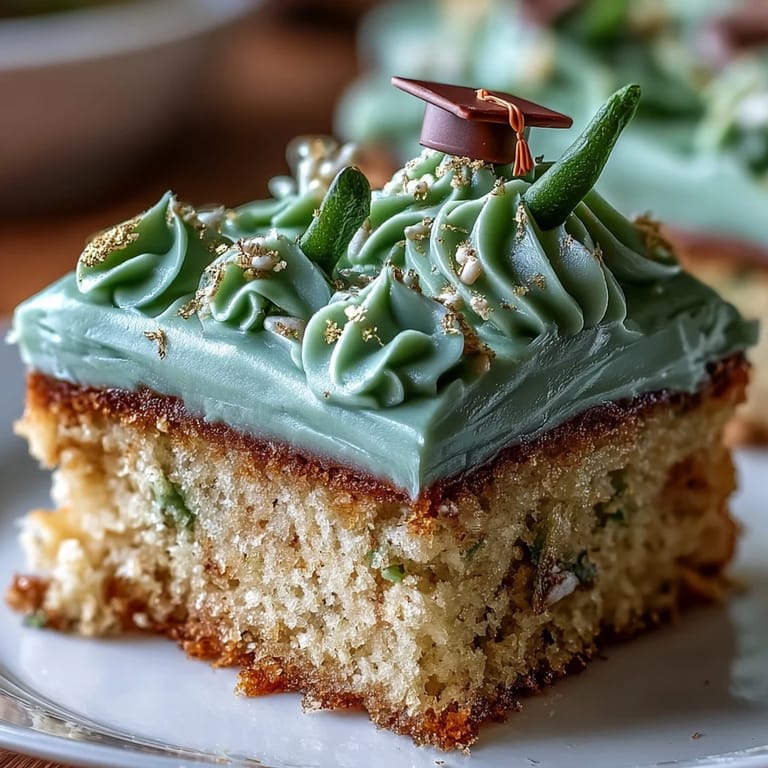
- Mix gold luster dust with clear vanilla or vodka, brush onto details or accents, and watch the cake transform—add sprinkles or graduation symbols for fun.
- Chill & Slice:
- Refrigerate the cake briefly to firm up the buttercream before slicing into tidy squares—every cut should reveal a mosaic of green, gold, and vanilla.
 Save
Save 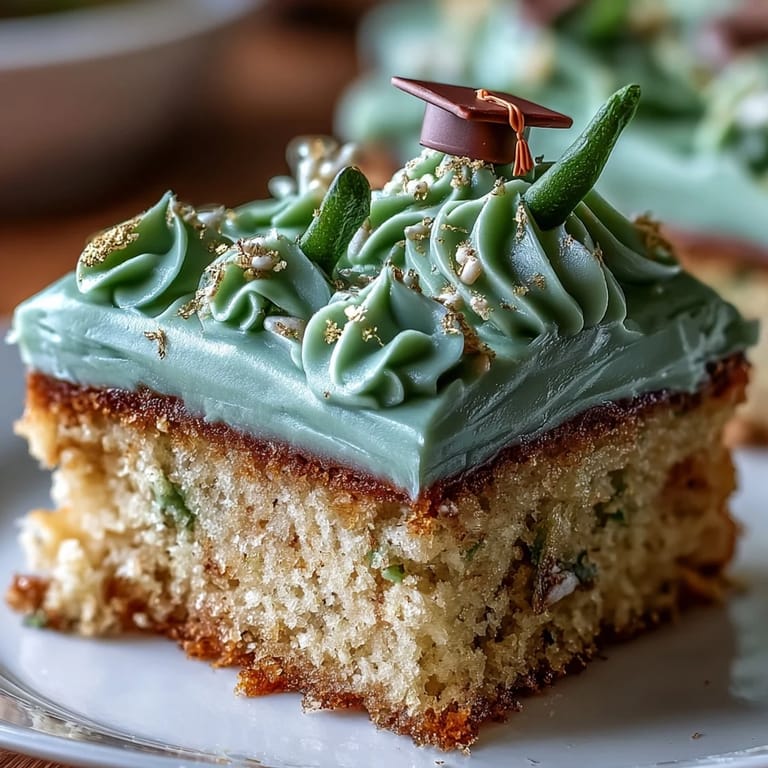 Save
Save It&s funny how everyone gathered around to admire the cake just as much as they wanted to eat it—a simple baking project suddenly became the guest of honor. Watching the graduate blow out candles (yes, even on a sheet cake!) is now a cherished memory, with sage and gold forever linked to big, bright futures in our family.
Getting That Perfect Sage Green
Gel food coloring gives more intensity without watering down the frosting, and mixing in tiny amounts at a time lets you sneak up on just the right shade. I like to use a toothpick—dip, stir, check, repeat—until the color feels calm and balanced rather than bold or minty.
Making Buttercream Accents Stand Out
I find piping freeform swirls or little graduation-themed shapes with a small round tip makes it more personal, even if they&sre a bit wonky. A steady hand helps, but honestly, the imperfections become part of the charm (and a fun conversation starter!)
Assembly & Serving Tips for a Crowd
Chilling the cake before you slice makes crisp, tidy portions that look great on a platter and hold together during a busy party. Cutting pieces a bit smaller means everyone gets to try a bite, and it&s easy to go back for seconds if there&s any left at all.
- Score lines lightly with a knife before making deep cuts.
- Wipe the blade after each slice for a clean finish.
- If carrying the cake elsewhere, chill thoroughly before boxing up.
 Save
Save  Save
Save Here&s wishing every celebration is just a little sweeter with this cake. It&s a treat that always seems to draw smiles, hugs, and maybe even a few happy tears.
Recipe FAQs
- → How do I avoid overbaking the sheet cake?
Check doneness at 28 minutes by inserting a toothpick into the center; it should come out clean or with a few moist crumbs. If the top browns too quickly, tent lightly with foil for the last 5–10 minutes.
- → What's the best way to get a silky buttercream?
Use room-temperature butter and sift powdered sugar before adding. Beat butter until creamy, then add sugar gradually. Add heavy cream 1 Tbsp at a time until you reach a spreadable consistency, and finish with a short beat for smoothness.
- → How can I achieve an even sage-green color?
Use gel food coloring for concentrated color; add tiny amounts and mix thoroughly until you reach the desired shade. Build color gradually to avoid over-darkening the buttercream.
- → How do I create stable gold accents?
Mix edible gold luster dust with a few drops of clear vanilla or neutral spirit to form a paint and brush it onto piped buttercream. For a marbled look, gently fold dust into a reserved portion of buttercream and pipe or spread.
- → Can I make the cake ahead and how should I store it?
You can assemble a day ahead and refrigerate covered; bring to room temperature before serving for best texture. For longer storage, keep unfrosted layers wrapped in the freezer and frost after thawing and cooling fully.
- → What are easy ingredient substitutions?
Swap whole milk for a plant-based milk and use dairy-free margarine or butter for a non-dairy version. Use a 1-to-1 gluten-free flour blend to replace all-purpose flour, noting texture may vary.