 Save
Save My neighbor's garden was overflowing with dandelions that spring, and she handed me a jar of honey she'd infused with the blooms, insisting I do something special with it. That evening, standing in my kitchen with golden afternoon light streaming through the window, I decided to build a cake around that honey—something that would let its delicate floral notes shine without overwhelming the crumb. The result was this tender, moist cake with lemon threading through it like a bright counterpoint, finished with a glaze that catches the light like liquid amber.
I made this for an afternoon tea party last May, and watching people's faces light up when they tasted that first bite—that subtle floral sweetness followed by the bright lemon pop—reminded me why I love baking. Someone asked if I'd added rose water, and I loved explaining that it was just the honey and the zest, that the flavors were doing their own quiet magic.
Ingredients
- All-purpose flour (2 cups / 250 g): The foundation here, and sifting it with the leavening agents ensures an even crumb that's tender rather than dense.
- Baking powder and baking soda (1.5 tsp and 0.5 tsp): Together they give you lift and a subtle tang that plays against the honey's sweetness.
- Fine sea salt (0.5 tsp): A small amount that amplifies every other flavor without announcing itself.
- Unsalted butter (0.5 cup / 115 g), room temperature: Cold butter won't cream properly, so set it out an hour before you start; it should feel like soft clay to your finger.
- Dandelion honey (0.5 cup / 120 ml): If you can't find it, good local honey works, though you'll lose that specific floral whisper; regular clover or wildflower honey is your best substitute.
- Granulated sugar (0.5 cup / 100 g): Creamed together with the butter, this aerates the batter and creates a finer crumb.
- Eggs (3 large), room temperature: They emulsify better when warm, which means a smoother, more cohesive batter.
- Vanilla extract (1 tsp): Use pure vanilla; the artificial version muddies the delicate honey and lemon notes.
- Whole milk (0.5 cup / 120 ml), room temperature: The slight fat in whole milk keeps the cake tender; skim milk will give you a drier result.
- Lemon zest and juice (2 tbsp each): Zest two lemons before you juice them, and use a microplane for the finest, most aromatic zest.
- Powdered sugar (1 cup / 120 g): Sift it before using so your glaze is silky and lump-free.
- Dandelion honey for glaze (1 tbsp): A small amount stirred into the glaze adds richness and ties the flavors together.
Tired of Takeout? 🥡
Get 10 meals you can make faster than delivery arrives. Seriously.
One email. No spam. Unsubscribe anytime.
Instructions
- Prepare your stage:
- Heat your oven to 350°F (175°C) and grease a 9-inch round pan with butter, dusting it lightly with flour, or line it with parchment—I prefer parchment because it peels away so cleanly. Have all your ingredients measured and at room temperature before you start; this is when the work becomes easy.
- Make the dry mixture:
- In a medium bowl, whisk together the flour, baking powder, baking soda, and salt until they're evenly distributed. Set it aside and forget about it for now.
- Cream the butter and sweeteners:
- In a large mixing bowl, beat the soft butter with the dandelion honey and sugar until the mixture is pale, fluffy, and noticeably lighter in color—this takes about 3 minutes with an electric mixer and means you're trapping air bubbles that will make the cake rise. Stop occasionally to scrape down the sides.
- Incorporate the eggs:
- Add the eggs one at a time, beating well after each addition so they fully emulsify; if you rush this step, the batter can look broken or grainy. Stir in the vanilla extract, lemon zest, and lemon juice.
- Alternate wet and dry:
- Add the flour mixture in three additions, alternating with the milk and starting and ending with flour—so flour, then milk, then flour, then milk, then flour. Mix just until combined; overmixing develops gluten and toughens the cake.
- Bake:
- Pour the batter into your prepared pan and smooth the top gently with a spatula. Bake for 35 to 40 minutes until a toothpick inserted in the center comes out clean or with just a few moist crumbs clinging to it.
- Cool the cake:
- Let it rest in the pan for 10 minutes so it can set slightly, then turn it out onto a wire rack and let it cool completely before glazing—this takes about an hour. A warm cake will cause the glaze to run right off.
- Make the glaze:
- Whisk together the sifted powdered sugar, dandelion honey, and lemon juice, adding the juice gradually until you reach the consistency you want—it should be pourable but thick enough to cling to the cake. Some people like it thin and drippy; I prefer it slightly thicker.
- Finish and serve:
- Drizzle the glaze over the cooled cake in whatever pattern feels right, then let it set for 10 to 15 minutes before slicing. The cake tastes even better the next day, when the flavors have had time to deepen.
 Save
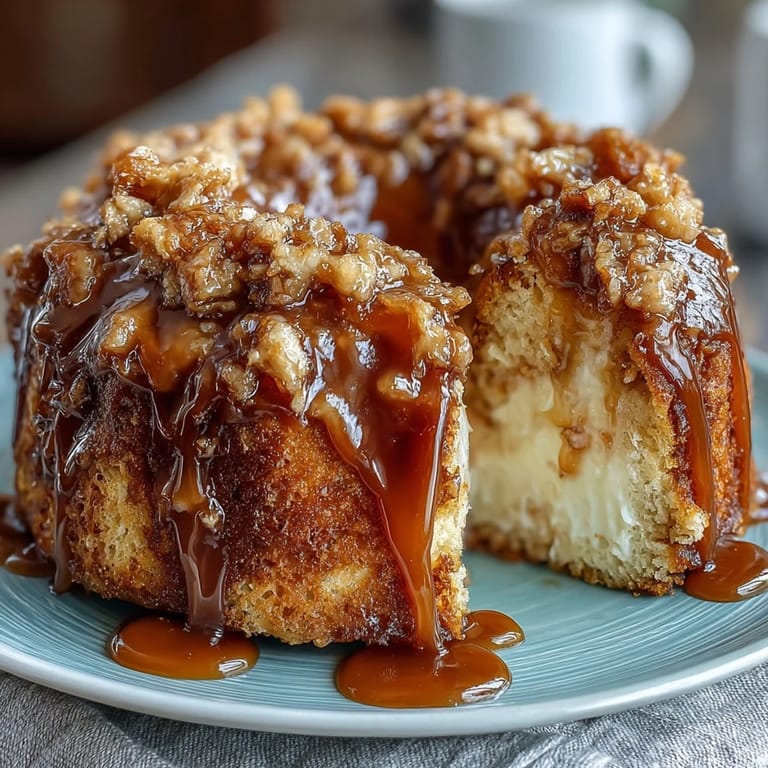
Save This cake sat on my kitchen counter for three days last spring, and people kept stopping by because the smell—floral and bright and impossible to ignore—had drifted out onto the porch. By the end, I'd cut it into enough slices for half the neighborhood, and somehow it never felt diminished by being shared.
The Honey Question
Dandelion honey is becoming easier to find at farmers markets and specialty shops, but if your area doesn't have it, don't panic. A high-quality local honey or even a floral wildflower honey will give you a beautiful result; the cake won't taste exactly the same, but it will still be tender, fragrant, and worth making. What matters most is that the honey tastes good on its own—if it's bitter or off in any way, it will show up in the baked cake.
Serving and Storing
This cake shines with afternoon tea, a cup of chamomile or earl grey, or even a light white wine with a hint of florality. It's also the kind of cake that tastes better as it sits—the crumb becomes even more tender and the flavors marry and deepen overnight.
Variations and Personal Notes
If you want to lean further into the floral note, add a couple of tablespoons of finely chopped, unsprayed dandelion petals to the batter—they'll scatter through the cake like tiny edible flowers. Some people dust the finished cake with a light coating of floral sugar, and that's lovely too if you want extra sparkle.
- Store leftovers in an airtight container at room temperature for up to three days, and the cake will actually stay moist.
- If you're making this ahead for a gathering, bake the cake a day early and glaze it just a few hours before serving so the glaze stays bright and glossy.
- A microplane zester gives you the finest lemon zest and the most aromatic results—it's worth having one in your drawer.
 Save
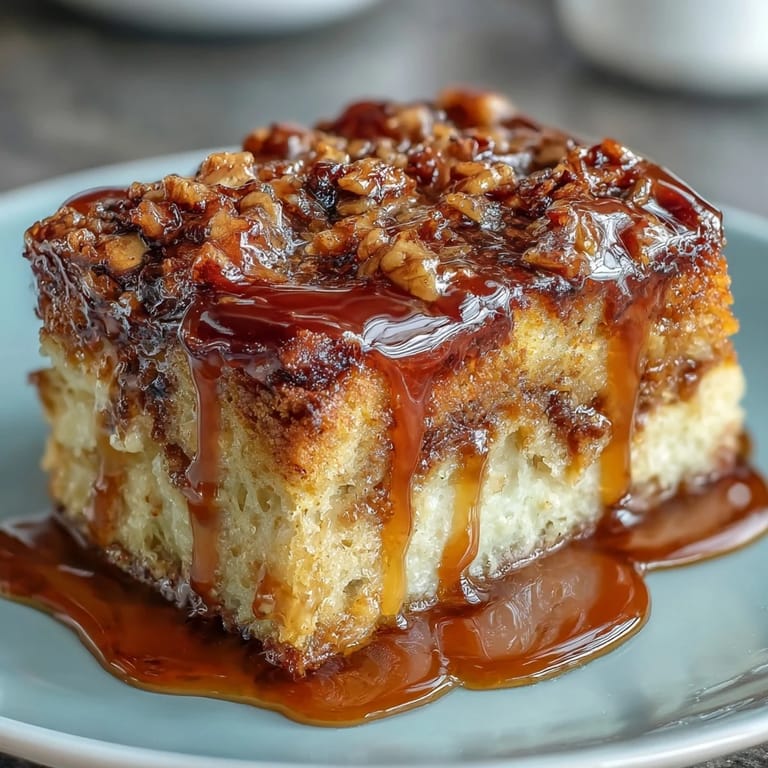
Save This cake reminds me that sometimes the best recipes come from having ingredients you didn't expect and the curiosity to do something with them. It's the kind of cake that feels special without requiring any special skill, and that's exactly when baking feels most like magic.
Recipe FAQs
- → What gives this cake its unique flavor?
The combination of floral dandelion honey and fresh lemon zest and juice provides a distinct sweet and tangy profile.
- → Can I substitute dandelion honey with regular honey?
Yes, regular honey can be used, though the floral notes unique to dandelion honey will be less pronounced.
- → How is the lemon glaze made?
The glaze is a simple mix of powdered sugar, freshly squeezed lemon juice, and dandelion honey, whisked until smooth.
- → What is the best way to store the cake?
Store the cake in an airtight container at room temperature to maintain moisture and freshness for up to three days.
- → Can I add fresh dandelion petals to this cake?
Yes, adding chopped unsprayed dandelion petals to the batter enhances the floral flavor and aroma.
- → What tools are recommended for preparation?
A 9-inch round cake pan, mixing bowls, an electric mixer or whisk, measuring tools, a zester, and a wire rack for cooling are useful.