 Save
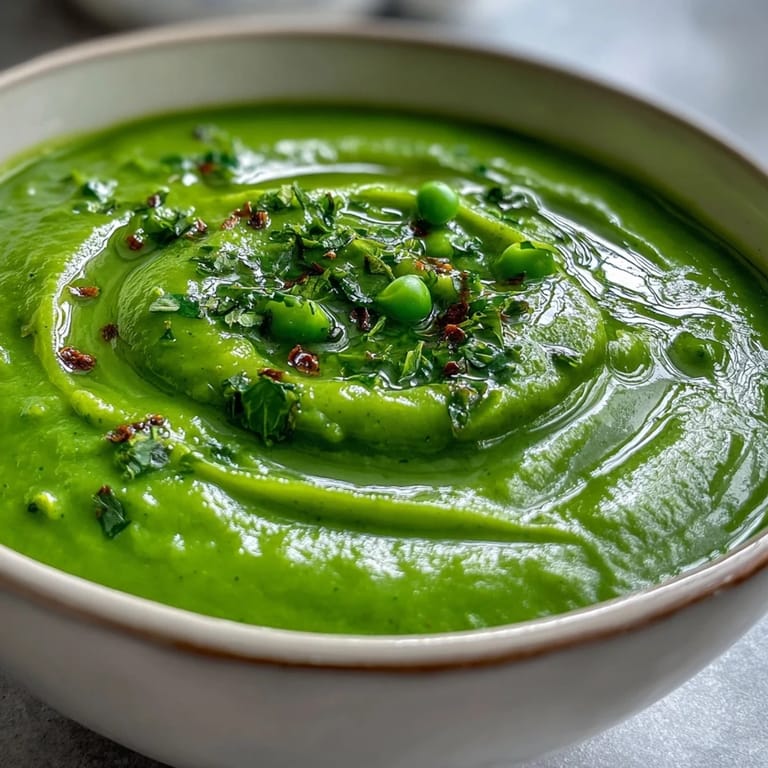
Save There's something about late spring that makes me crave green things, and this soup arrived in my kitchen on one of those mornings when the farmers market was practically glowing with fresh produce. A bundle of just-picked basil caught my eye, and suddenly I was standing at home with a colander full of courgettes, wondering what magic I could make happen in thirty minutes. The answer turned out to be this vibrant, silky soup that tastes like bottled sunshine with a whisper of garden herbs.
I made this for my neighbor on a Tuesday afternoon when she was recovering from being under the weather, and watching her face light up as she tasted it reminded me why cooking for others matters. She asked for the recipe immediately, and I loved that I could actually write it down without worrying about complicated techniques or hard-to-find ingredients.
Ingredients
- Olive oil: Use good quality here since it's one of the few fats carrying all the flavor, and it makes a real difference in how silky the finished soup feels.
- Onion and garlic: These aren't just flavor builders; they're the foundation that keeps everything tasting balanced and rounded.
- Courgettes: Choose smaller ones if you can, as they tend to have fewer seeds and a sweeter, more delicate flavor than larger specimens.
- Potato: This humble vegetable does the real work, thickening the soup naturally without cream so it becomes luxuriously smooth.
- Frozen or fresh peas: Frozen peas are honestly just as good here and often sweeter than fresh ones that have been sitting around.
- Vegetable stock: This is where you can taste the difference between homemade and boxed, so don't skip on quality if you can help it.
- Salt and pepper: Season as you go rather than all at once, tasting between additions so you hit that perfect sweet spot.
- Basil pesto: The star of the show at the end, so whether you make it from scratch or buy it, choose one you'd actually eat by the spoonful.
- Crème fraîche or Greek yogurt: Optional but absolutely worth it, adding a cool contrast to the warm soup and a touch of tangy elegance.
Tired of Takeout? 🥡
Get 10 meals you can make faster than delivery arrives. Seriously.
One email. No spam. Unsubscribe anytime.
Instructions
- Start with aromatics:
- Heat your olive oil until it shimmers, then add the onion and let it soften for a few minutes until it starts turning translucent at the edges. You'll know it's ready when your kitchen smells like comfort itself.
- Wake up the garlic:
- Stir in the garlic and listen for that gentle sizzle that tells you it's releasing its flavor. One minute is all you need before it moves from fragrant to burnt, so stay close.
- Build the vegetable base:
- Add the courgettes and potato, stirring them around so they get coated in the garlicky oil. Let them cook for about five minutes, which gives them just enough time to start softening around the edges.
- Bring in the broth:
- Pour in your vegetable stock and bring everything to a boil, then reduce the heat and let it simmer gently for ten minutes. This is when the kitchen fills with that wonderful vegetable aroma that tells you something good is happening.
- Add the peas:
- Stir them in and simmer for five more minutes until all the vegetables are completely tender and collapsing slightly. The potato especially should break apart easily with just a wooden spoon.
- Blend to smoothness:
- Whether you use an immersion blender or transfer to a regular blender, blend until the soup is silky and completely smooth. If using a regular blender, work in batches and be careful of the heat.
- Season and taste:
- Add salt and pepper gradually, tasting as you go since the stock already contains some seasoning. This step is personal, so trust your own palate.
- Finish and serve:
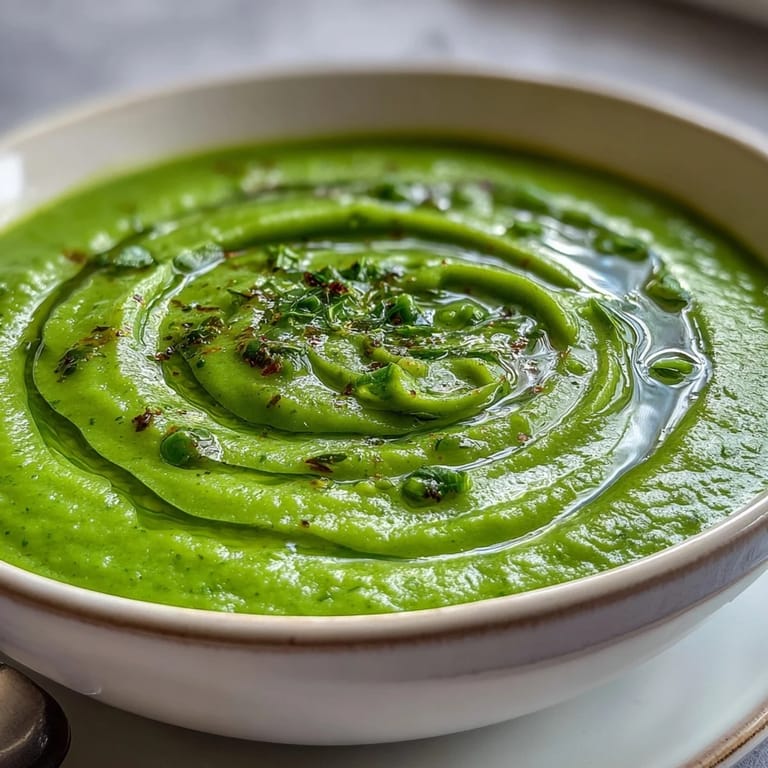
- Ladle into bowls and swirl a generous tablespoon of pesto into each one, letting the green ribbons drift through the soup. Top with a dollop of crème fraîche and fresh basil leaves if you have them.
 Save
Save There was a moment during a dinner party when my usually skeptical friend asked if this was really homemade, and I realized that simple food done right can feel like a minor miracle. That's what this soup does—it reminds you that the best meals don't need to be complicated.
Why This Soup Works Every Time
The beauty of this recipe lies in its restraint; there are no competing flavors trying to steal the show, just fresh vegetables speaking for themselves. The potato acts as a natural thickener, which means you get that silky texture without needing cream, and the pesto arrives at the very end so it stays bright and vibrant instead of cooking into something muddy. It's the kind of soup that teaches you something about cooking if you pay attention.
Making It Your Own
Once you've made this a few times, you'll start seeing it as a template rather than a strict set of rules. I've swapped the courgettes for asparagus when the season changed, added a handful of spinach for extra earthiness, and even experimented with different herbs in the pesto. The magic formula—soft vegetables, good stock, and a bright finish—stays the same while everything else becomes an opportunity to play.
Serving and Storing
This soup tastes best served within a few hours of making it, while the pesto is still a vibrant green and the flavors haven't started to blur together. That said, it keeps beautifully in the fridge for three days if you store the pesto separately and add it fresh when you reheat. It also freezes wonderfully if you leave off the pesto and yogurt, making it a smart choice for batch cooking on a Sunday afternoon.
- Store leftovers in an airtight container and reheat gently on the stovetop rather than the microwave, which can make the texture a bit grainy.
- Serve alongside crusty bread to soak up every last spoonful, or pair with a simple green salad for a more substantial meal.
- If you're making this for guests with allergies, keep the pesto on the side since it contains nuts and dairy that might need swapping.
 Save
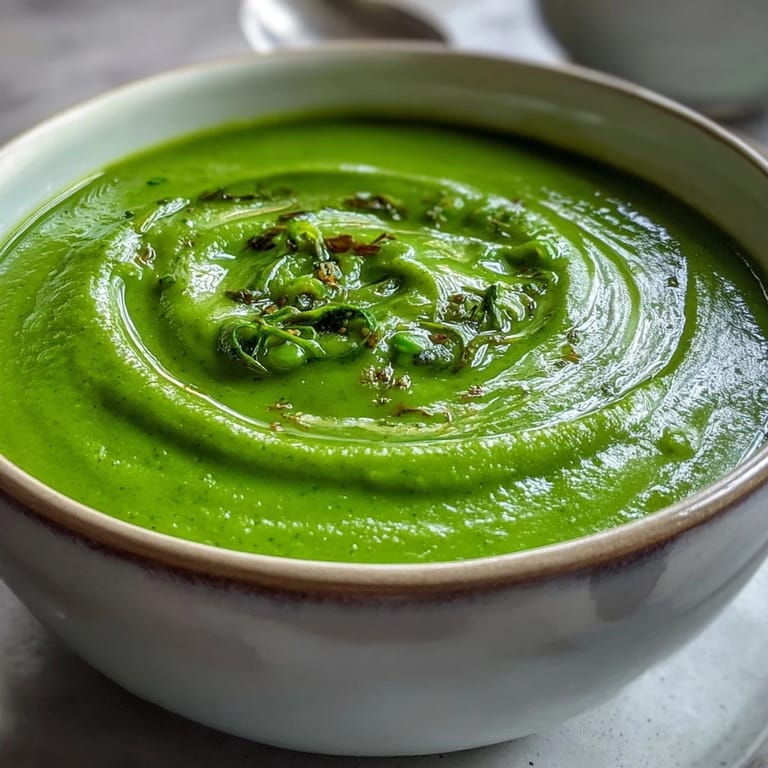
Save This soup has become my go-to move when I want to feel like I'm cooking something special without spending hours in the kitchen. It's the kind of dish that reminds me why I love cooking in the first place.
Recipe FAQs
- → Can I freeze this soup?
Yes, this soup freezes well for up to 3 months. Allow it to cool completely before transferring to airtight containers. Thaw overnight in the refrigerator and reheat gently, adding a splash of water or stock if needed. Add the pesto garnish after reheating.
- → Can I use fresh peas instead of frozen?
Absolutely. Fresh peas work beautifully and may require slightly less cooking time. Add them during the last 3-4 minutes of simmering to preserve their bright green color and natural sweetness. If using very young fresh peas, you can even add them just before blending.
- → How do I make it vegan?
Use a dairy-free pesto (skip the Parmesan or use nutritional yeast) and omit the crème fraîche or Greek yogurt garnish. You can also use coconut cream or a plant-based yogurt alternative for the creamy topping if desired.
- → What can I serve with this soup?
Crusty bread, garlic bread, or focaccia are perfect for dipping. A side salad with light vinaigrette complements the soup's creaminess. For a more substantial meal, serve with grilled cheese sandwiches or a quinoa salad.
- → Can I substitute the courgette?
Yes, asparagus, spinach, or broccoli work well as substitutes. Asparagus adds a sophisticated flavor, spinach provides extra nutrients and color, while broccoli creates a slightly heartier soup. Adjust cooking times accordingly.
- → Is the potato necessary?
The potato helps thicken the soup naturally without dairy. You can omit it for a lighter version, though the texture will be more broth-like. Alternatively, use a small amount of cooked white beans or blend in a handful of raw cashews for creaminess.