 Save
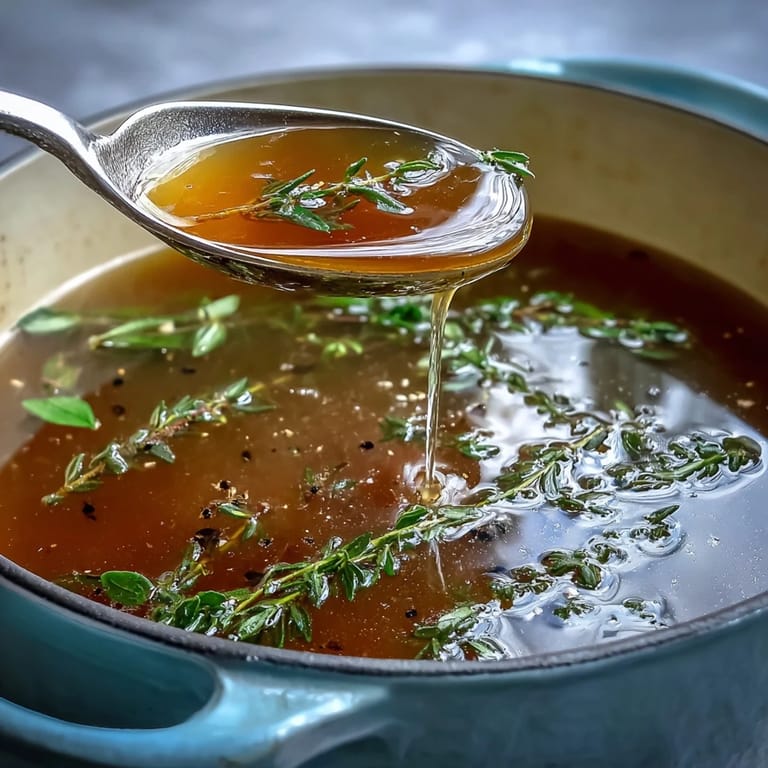
Save Making your own Vegetable Broth From Scraps is the ultimate kitchen hack for reducing waste while creating a nutrient-dense foundation for your cooking. This nourishing, aromatic homemade broth is crafted from leftover vegetable trimmings and classic aromatics, providing a rich flavor profile that store-bought versions simply can't replicate. Whether you're preparing a hearty stew or looking for a clean, sipping broth, this easy recipe is a staple every home cook should master.
Save The beauty of this broth lies in its simplicity. By simmering assorted trimmings—from leek tops to mushroom stems—you extract earthy sweetness and savory depth that enhances any dish it touches. It's a low-effort way to bring professional-level flavor to your home-cooked soups, grains, and risottos.
Ingredients
Tired of Takeout? 🥡
Get 10 meals you can make faster than delivery arrives. Seriously.
One email. No spam. Unsubscribe anytime.
- 4 cups assorted vegetable trimmings: carrot peels, onion skins, celery ends, leek tops, mushroom stems, parsley stems, garlic skins, etc.
- 1 bay leaf
- 5–7 black peppercorns
- 2 cloves garlic: crushed, optional
- 1 teaspoon salt: optional, adjust to taste
- 1 sprig fresh thyme: or 1/2 teaspoon dried thyme (optional)
- 8 cups (2 liters) cold water
Instructions
- Step 1
- Collect clean, fresh vegetable scraps in a large bowl. Avoid using potato peels, brassicas (like broccoli, cauliflower, cabbage), or overly starchy/sweet vegetables, as they may add bitterness or cloudiness.
- Step 2
- Place the vegetable scraps, bay leaf, peppercorns, garlic, salt, and thyme in a large stockpot.
- Step 3
- Add the cold water, ensuring all scraps are submerged.
- Step 4
- Bring to a boil over medium-high heat, then reduce to a gentle simmer.
- Step 5
- Simmer uncovered for 45–60 minutes, occasionally skimming off any foam.
- Step 6
- Taste and adjust seasoning if needed.
- Step 7
- Strain the broth through a fine-mesh sieve or cheesecloth into a clean container. Discard the solids.
- Step 8
- Let the broth cool, then store in airtight containers. Refrigerate for up to 5 days or freeze for up to 3 months.
Zusatztipps für die Zubereitung
For a richer flavor and darker color, roast the vegetable scraps in the oven at 200°C (400°F) for 20 minutes before simmering. This caramelizes the sugars in the vegetables, adding a roasted depth to the final broth.
Varianten und Anpassungen
To boost the umami profile of your broth, add a small piece of kombu or a few dried mushrooms to the pot. These ingredients provide a natural savory intensity that mimics the depth of meat-based stocks while keeping the recipe vegan.
Serviervorschläge
Use this versatile liquid as a base for soups, risottos, and grains like quinoa or couscous. It can also be enjoyed on its own as a nourishing, warm drink, or used in place of water when sautéing vegetables for extra flavor without added oil.
 Save
Save At approximately 15 calories per cup, this broth is a healthy, gluten-free, and vegan addition to your kitchen arsenal. Always check your scraps for specific allergen presence if serving individuals with sensitivities.
Recipe FAQs
- → What vegetable scraps work best for broth?
Use carrot peels, onion skins, celery ends, leek tops, mushroom stems, parsley stems, and garlic skins. Avoid potato peels, broccoli, cauliflower, and cabbage as they can create bitterness or cloudiness.
- → How long can I store homemade vegetable broth?
Refrigerate in airtight containers for up to 5 days or freeze for up to 3 months. Cool completely before storing to maintain freshness and quality.
- → Can I add more flavor to the broth?
Yes, roast the vegetable scraps at 200°C (400°F) for 20 minutes before simmering for deeper flavor. Add kombu or dried mushrooms for extra umami depth.
- → Should I add salt while cooking the broth?
Add minimal salt during cooking, especially if using the broth in other dishes. You can always season individual dishes to taste later for better control.
- → How do I know when the broth is done?
After 45-60 minutes of gentle simmering, the broth should be aromatic and flavorful. Taste it—if the vegetables have released their flavor into the liquid, it's ready to strain.
- → What can I use this broth for?
Use it as a base for soups, stews, risottos, cooking grains, braising vegetables, or simply enjoy it warm as a nourishing, restorative drink on its own.